


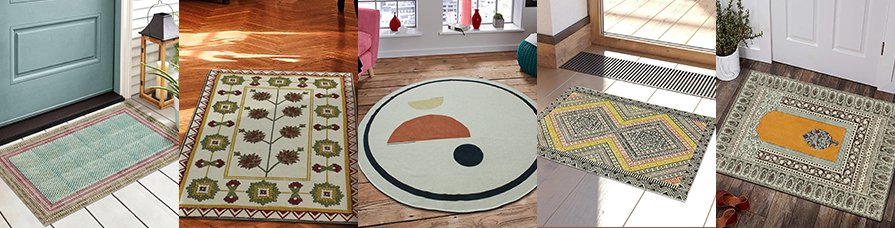
How to Choose the Perfect Small Area Rug for Your Space
When decorating a room, the right small area rug can change the form and experience of your location – under heat, style and comfort. But choosing one that fits well and looks deliberate, instead of a wrong accent, is considered. In this post, you will learn how to choose a small area rug that enhances your room, meets your needs, and is practical for everyday life.
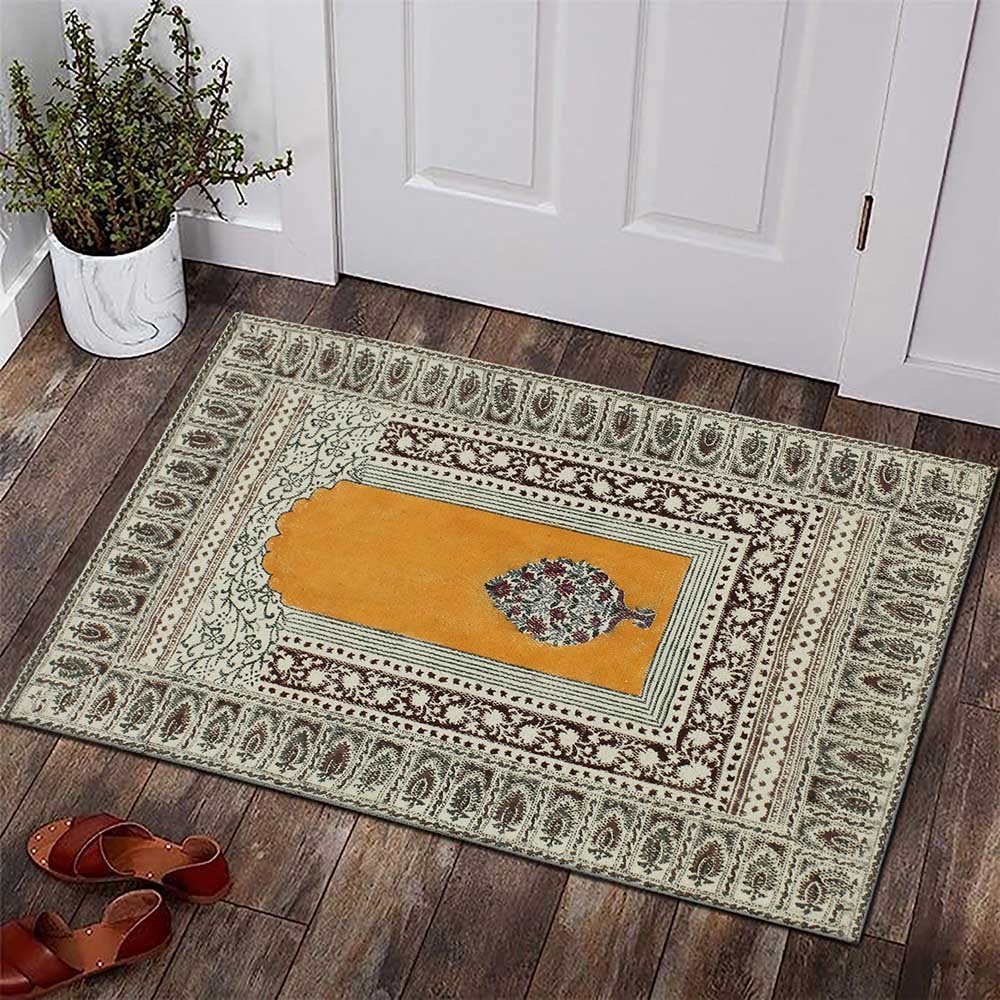
Why is a Small Area Rug
A small area rug is more than just “filling the place of the floor”. When chosen wisely, it can do this:
Anchor a seating arrangement – it combines pieces of blind furniture.
Add texture and color – it introduces the opposite layers and floors.
Protect the floor – it provides a buffer for a high-trough spot.
Define the zone in multi-purpose rooms – like a sitting corner in a studio apartment.
But if it is too small, wrong, or a conflict in the style, it may look strange or cheap. That is why careful selection matters.
Measurement: How is “small” small?
Before you browse the rugs, measure your location. This way:
- Measure the furniture layout: For example, in a living room, measure out of the front legs of your couch.
- Decide on rug placement: Do you want to completely rug under the furniture, or do you prefer a floating rug where only the parts sit down?
- Leave a boundary of the floor: typically 6 to 12 inches (15 to 30 cm) barely gives a balanced look between the stream and the wall.
- Standard small rug size: common small rugs range from 2′ × 3′ (60 × 90 cm) to 4′ × 6′ (120 × 180 cm). But the size may be different depending on your layout.
For example, under a coffee table with a love and two chairs, a 4′ × 6′ rug can be ideal. For a bedside or entryway, a 2′ × 3′ or 3’ × 5′ rug often works well.
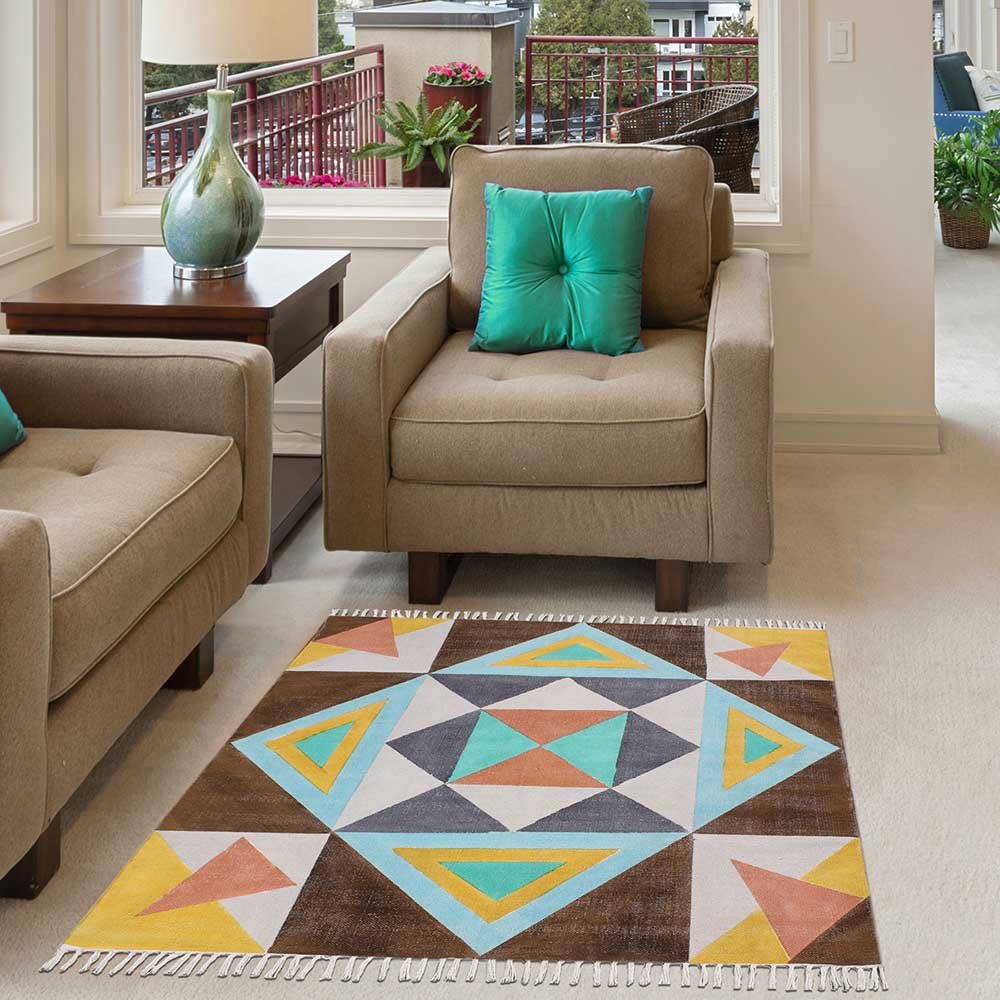
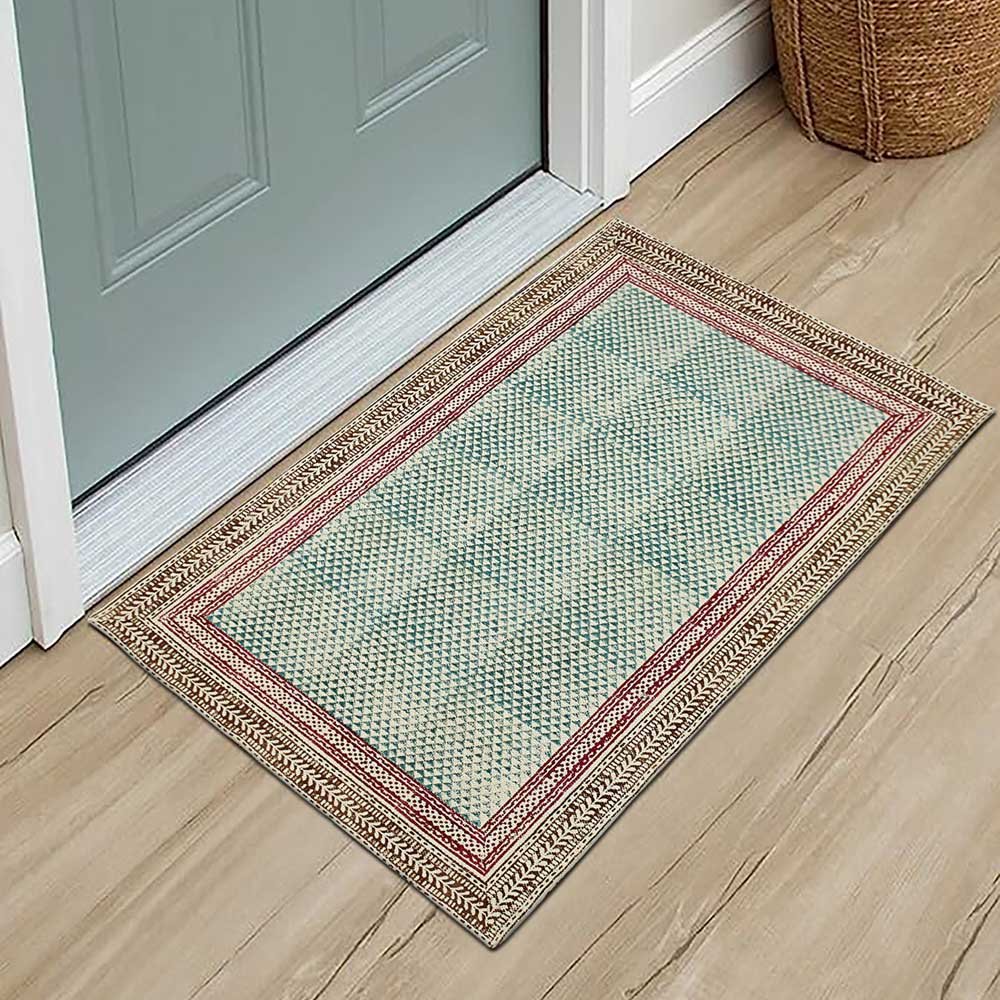
Style, Pattern and Color: Make it Complement, Not Clash
When selecting the design, consider these tips:
1. Match room style
- Modern or minimum rooms do good with geometric patterns or solids.
- Traditional or classic rooms are often well connected with oriental or floral motifs.
- Bohemian or eclectic interiors welcome bold, global-inspired patterns.
2. Pattern measure
In a small room, a rug can be very high with extremely large motifs.
- When the space is limited, go for a small, tight pattern or micro texture.
3. Colored straps
- Use the rug to strengthen the palette of your room.
- A light rug can illuminate a dark floor; A dark rug can take a room to the ground with a light floor.
- If your furniture is neutral, a rug with a pop of color or pattern can serve as a focal point.
4. Contrast vs. blending
- A rug that is well opposite, can draw attention to your seating area.
- Alternatively, a rug that is harmoniously mixed, makes the space feel harmonious and cool.
Layout and Placement Tips
How do you affect a small rug’s overall look and flow? Here are proven strategies:
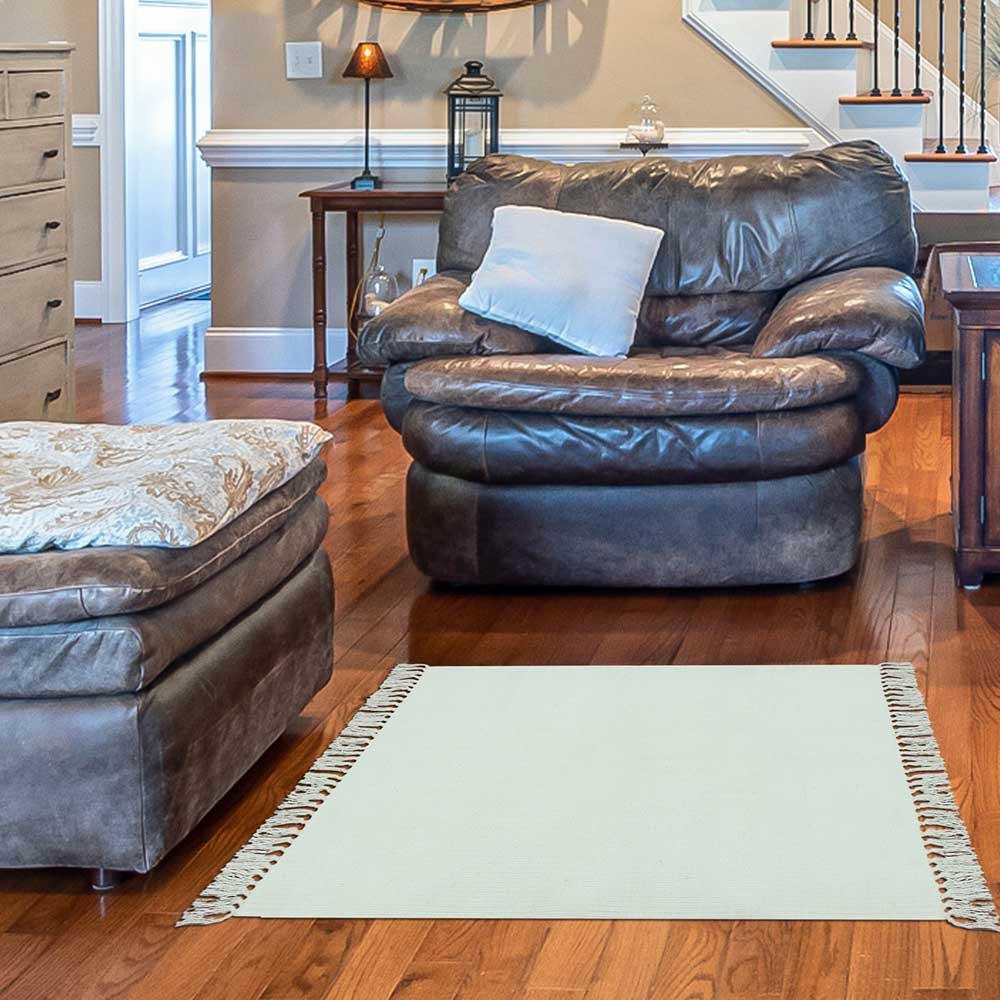
- Floating Rug: Let the rug sit in front of your couch and chairs completely without going down. This gives an accidental and open experience.
- Furniture anchor: Place the front legs of some furniture pieces (eg sofas, chairs) to connect the legs together.
- Full anchor: In tight rooms, you can place the rug perfectly under a small furniture set (such as a bistro set).
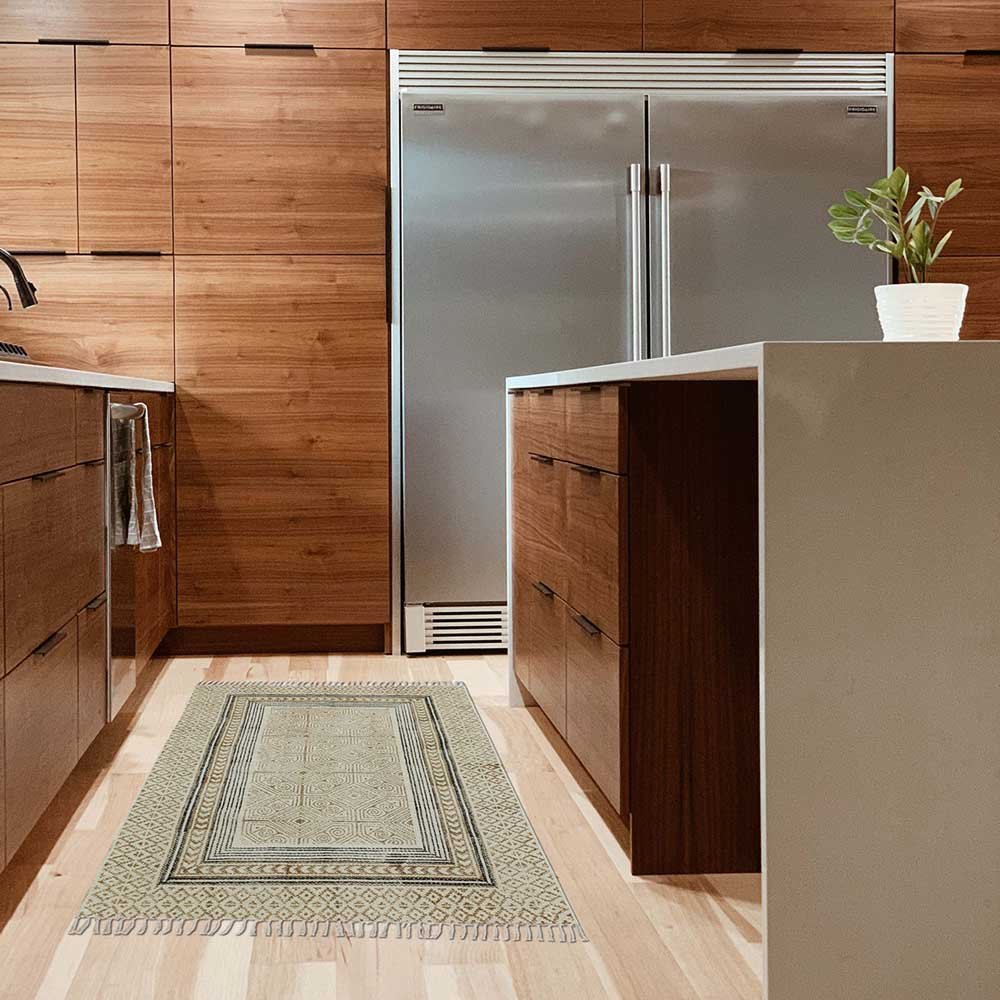
- In a runner or sidewalk: in long narrow places (between hallways, between the beds), a small runner can define the foot traffic path.
- Lairing rugs: Use a small rug on a large neutral basis to add dimensions (for example, 3′ × 5′ at 8 × 10′).
Finally back down from different angles and see – what looks good from one corner can be away from the other.
Care and Maintenance
A rug that is easy to maintain will be beautiful for a long time.
Vacuum regularly: Use a vacuum without a beater bar (or with gentle settings) to prevent damage fibers.
Spot clean immediately: Steps (do not rub), spread and follow the manufacturer’s instructions.
Rotate from time to time: By turning the rug, it also helps to wear and disappear with sunlight.
Professional cleaning: Once a year (or as required) in wool or delicate carpets cleaned by professionals.
Use a pad or underlay: adds cushioning, prevents slipping, and reduces life by reducing friction against the floor.
To bring it alive, here are sample conditions and how a small area rug can be chosen:
1. Living room in a studio apartment
- To anchor the seating zone, use a 4′ × 6′ rug under your coffee table, with the front legs of the sofa/chair on it.
- Choose a low, – pile, synthetic or wool blend rounded – easy to clean and durable.
2. Home office corner
- Use 3′ × 5′ rugs under your desk and chair.
- Use a neutral woven or textured rug to add heat without disturbing patterns.
3. Bedroom next to bed
- Use two 2’ × 3′ asanas – one on each side of the bed – or a single 3′ × 5′ in the leg of the bed.
- Choose a soft ingredient (eg wool, cotton, or mix) so that your feet descend comfortably in the morning.
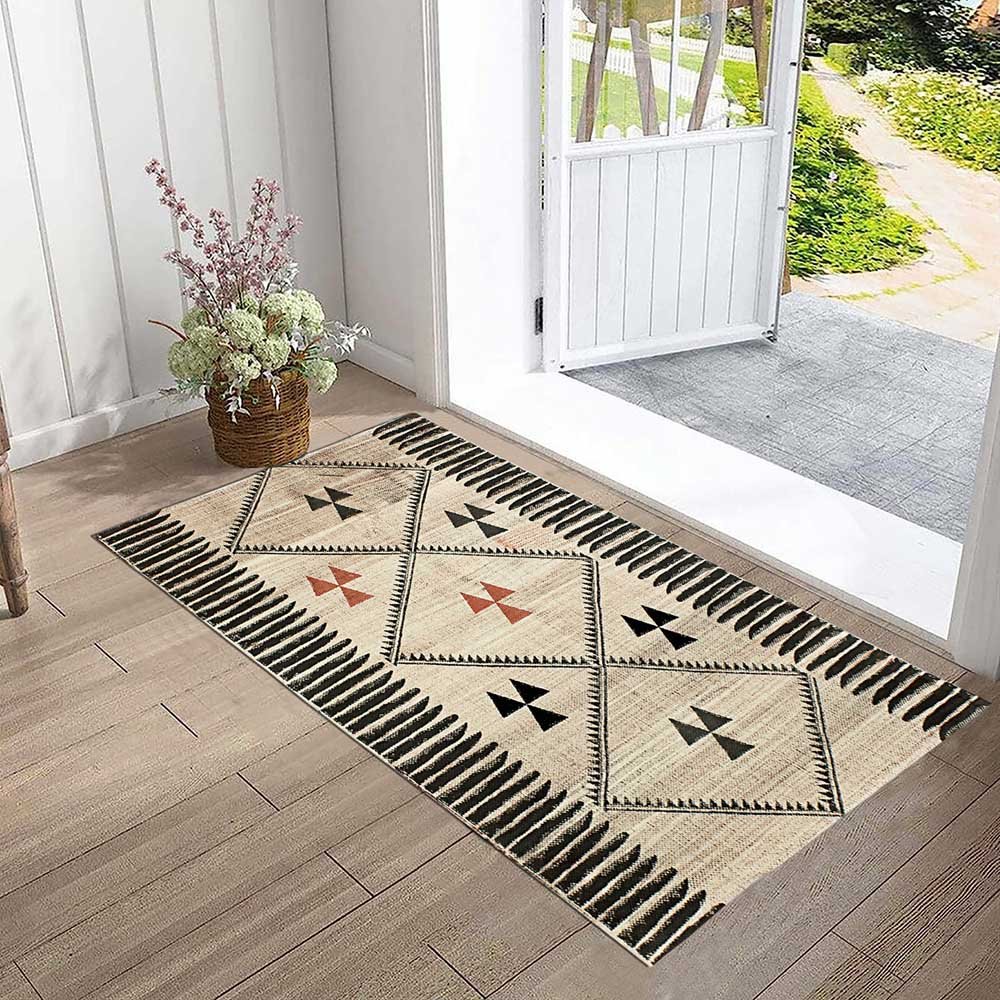
4. Entrance
- Use 2′ × 3′ to 3′ × 5’ rugs which cleanse well.
- Low synthetics help to shed dirt and avoid tripping hazards.
Conclusion and Action
A well-chosen small area rug can survive a room-connecting area, defining areas and inflecting the character in their space. The key is thoughtful measurement, material selection, style matching and appropriate placement. Once in place, regular care will keep it looking fresh for years.
If you are considering the rugs for your location, browse our curated collection with size filters to find the “small area rug” options that suit our room. Or contact us – see photos of your room, and we will suggest the best rug size, color and material to meet your decoration.