


Natural & Sustainable Rug Materials: What American Homes Are Choosing Now
I’ve noticed something interesting over the last few years. Conversations around home decor in the U.S. have quietly shifted. People aren’t just asking, “Does it look good?” anymore. They’re asking, “Where did it come from? What’s it made of? Will it age well?”
That curiosity has brought natural and sustainable rug materials into the spotlight. And honestly, it makes sense. Rugs are one of the few things in a home that you live on, not just with.
Let’s look at the materials American homes are gravitating toward – and why.
Jute Rugs: The Rise of Honest Texture
If there’s one material I see everywhere lately, it’s jute rugs. Designers love them. Homeowners love them. Minimalists and maximalists somehow both agree on them.
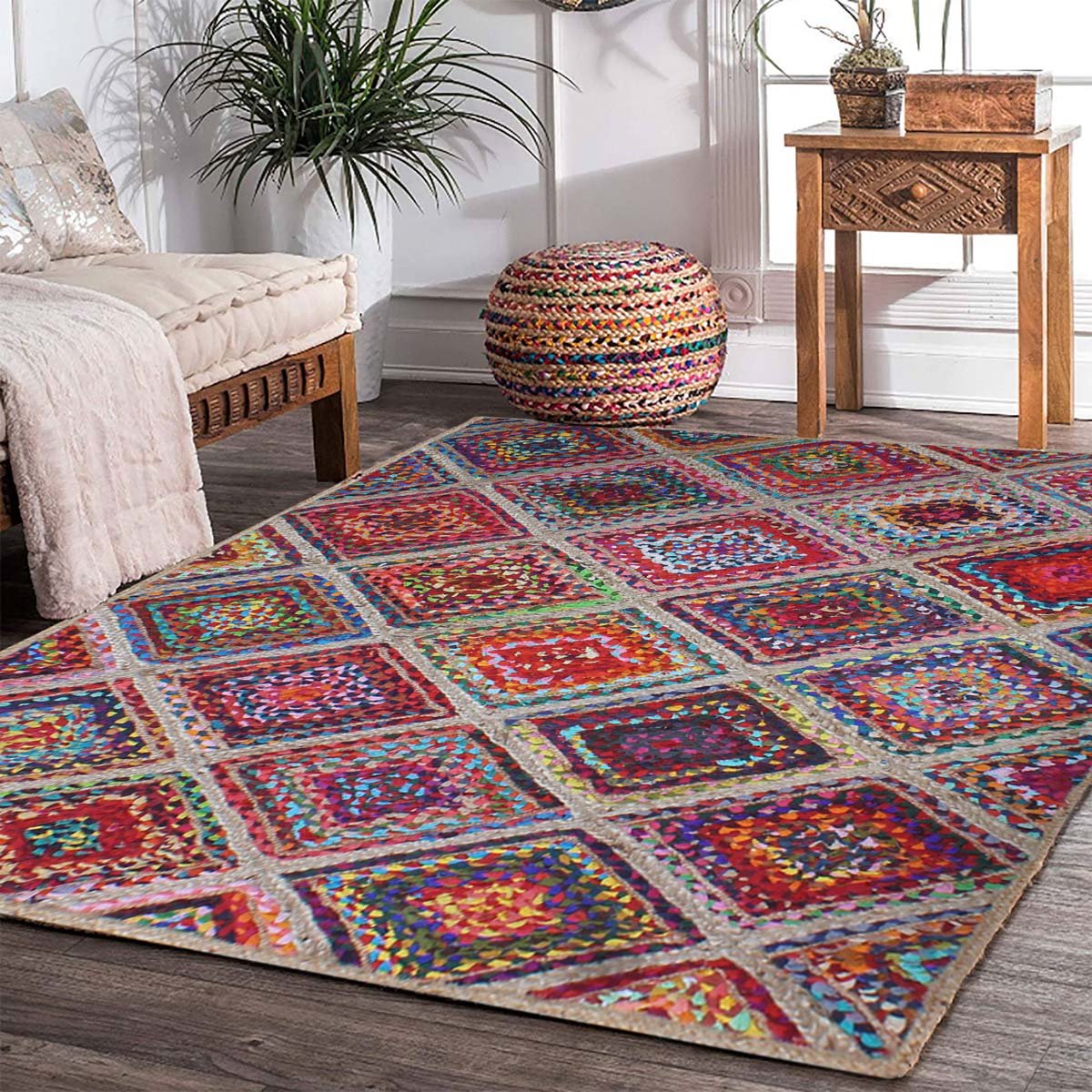
Jute is a plant fiber, which means it’s renewable, biodegradable, and refreshingly unfussy. Outdoor jute rugs have become popular in covered patios and sunrooms, while indoors, styles like the hand-block-printed jute rug add subtle personality without overpowering a space.
That said, jute isn’t about plush comfort. It’s about texture and grounding a room. I often tell friends: if your space feels too “done,” jute brings it back to earth.
Wool Rugs: Still the Gold Standard
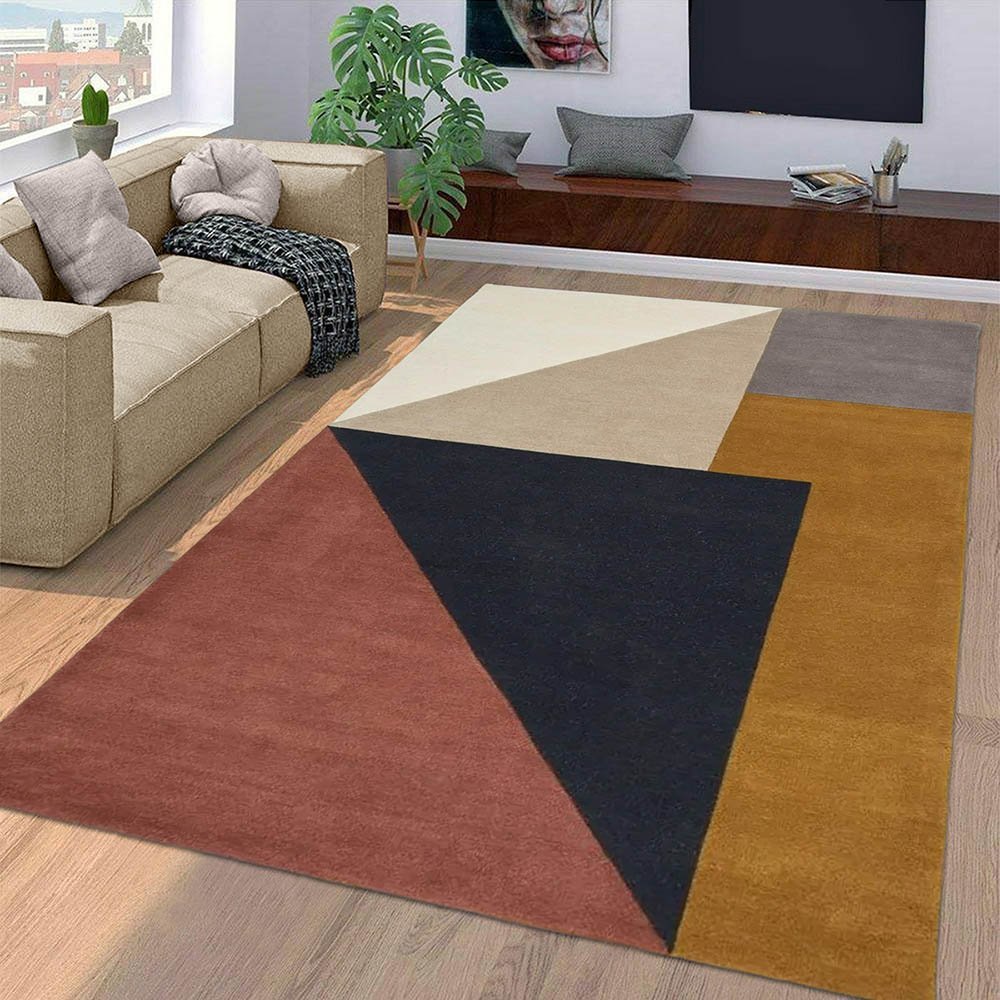
There’s a reason wool rugs never go out of style. Wool is naturally insulating, resilient, and surprisingly easy to maintain. Spills bead up. Dirt shakes out. And a good wool area rug can last decades.
In American homes, tufted wool rug styles are especially common – thick, cozy, and perfect for bedrooms and living rooms. You’ll also see a growing appreciation for hand-tufted rugs, where craftsmanship meets everyday practicality.
Here’s the thing: wool doesn’t just look warm – it actually regulates temperature. Cool in summer, cozy in winter. Few materials pull that off so effortlessly.
Cotton Rugs: Familiar, Flexible, and Family-Friendly
Cotton often flies under the radar, but it shouldn’t. Cotton rugs are lightweight, breathable, and easy to live with – especially in homes with kids or pets.
There’s a clear divide in taste here. Some homeowners lean toward traditional cotton rugs with classic patterns, while others prefer modern cotton rugs with cleaner lines and softer palettes. Then there’s chindi cotton, made from recycled fabric strips, which adds color, texture, and a strong sustainability story.
I’ve used cotton rugs in kitchens and casual dining areas where easy cleaning matters more than luxury. They just work.

Silk Rugs: For Those Who Love Quiet Luxury
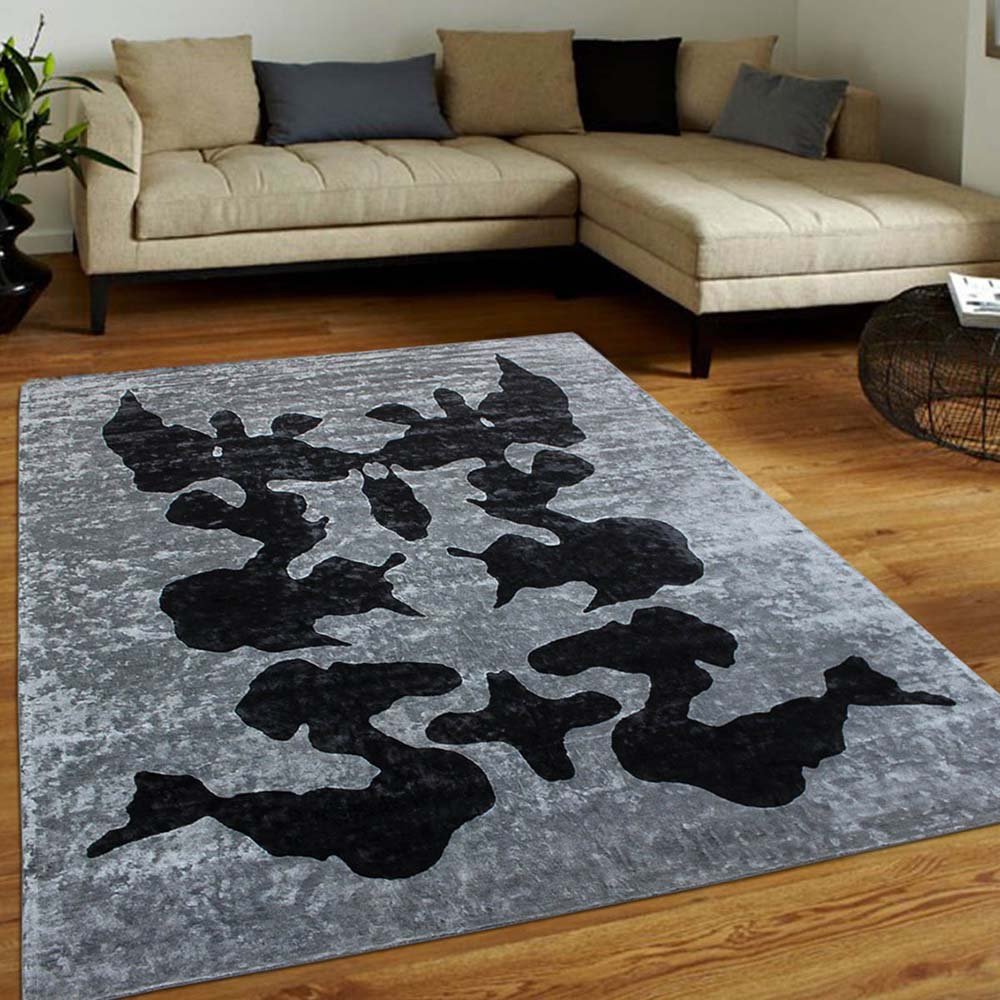
Not everyone chooses silk – and that’s kind of the point. Silk rugs are less about durability and more about artistry. The sheen, the detail, the way light plays across the surface – it’s unmistakable.
In American homes, silk is often reserved for low-traffic spaces or formal rooms. It’s not practical for everyday wear, but paired thoughtfully, it elevates a space in a way few materials can.
Blends That Balance Beauty and Strength
Some of the most interesting choices right now are blends.
- Wool and jute rugs combine softness with structure – great for living rooms that need warmth without heaviness.
- Wool and silk rugs strike a balance between durability and refinement, offering subtle shine without sacrificing strength.
Blends solve a problem I hear about often: wanting a rug that feels special and livable.
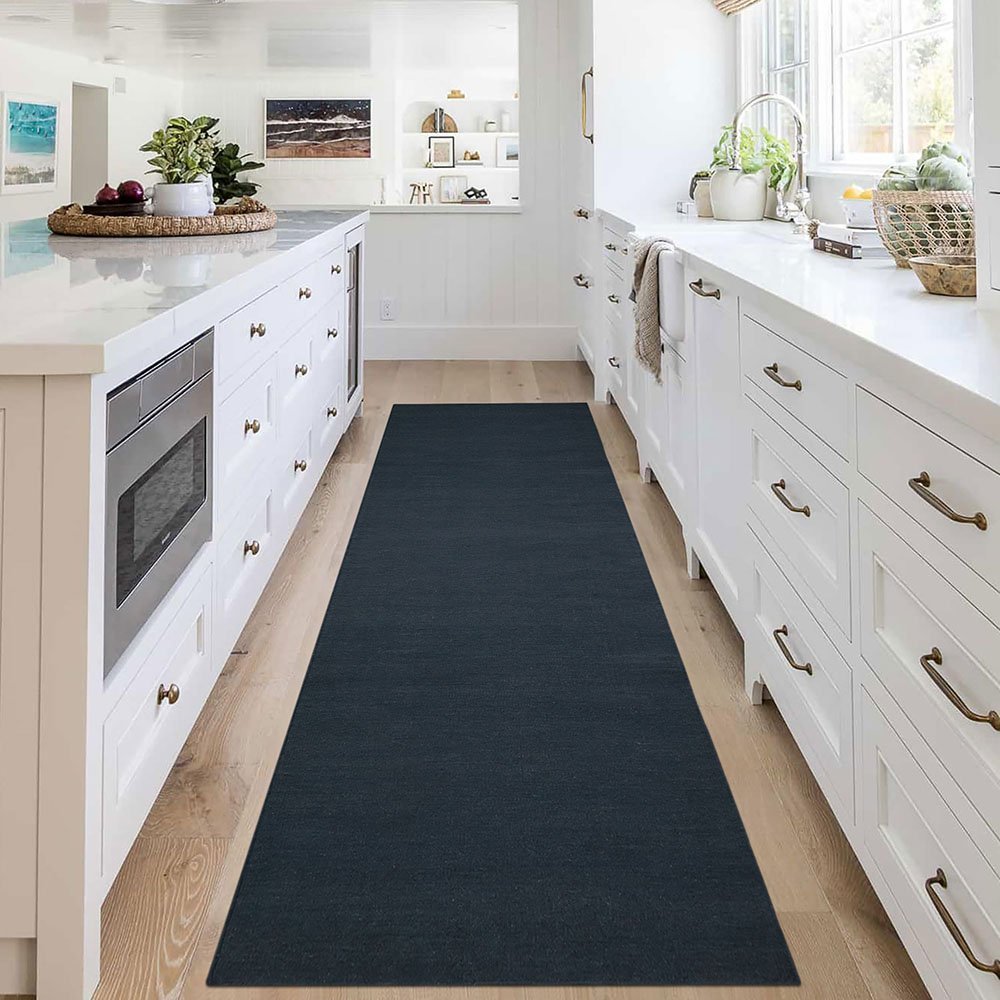
Choosing What Actually Fits Your Life
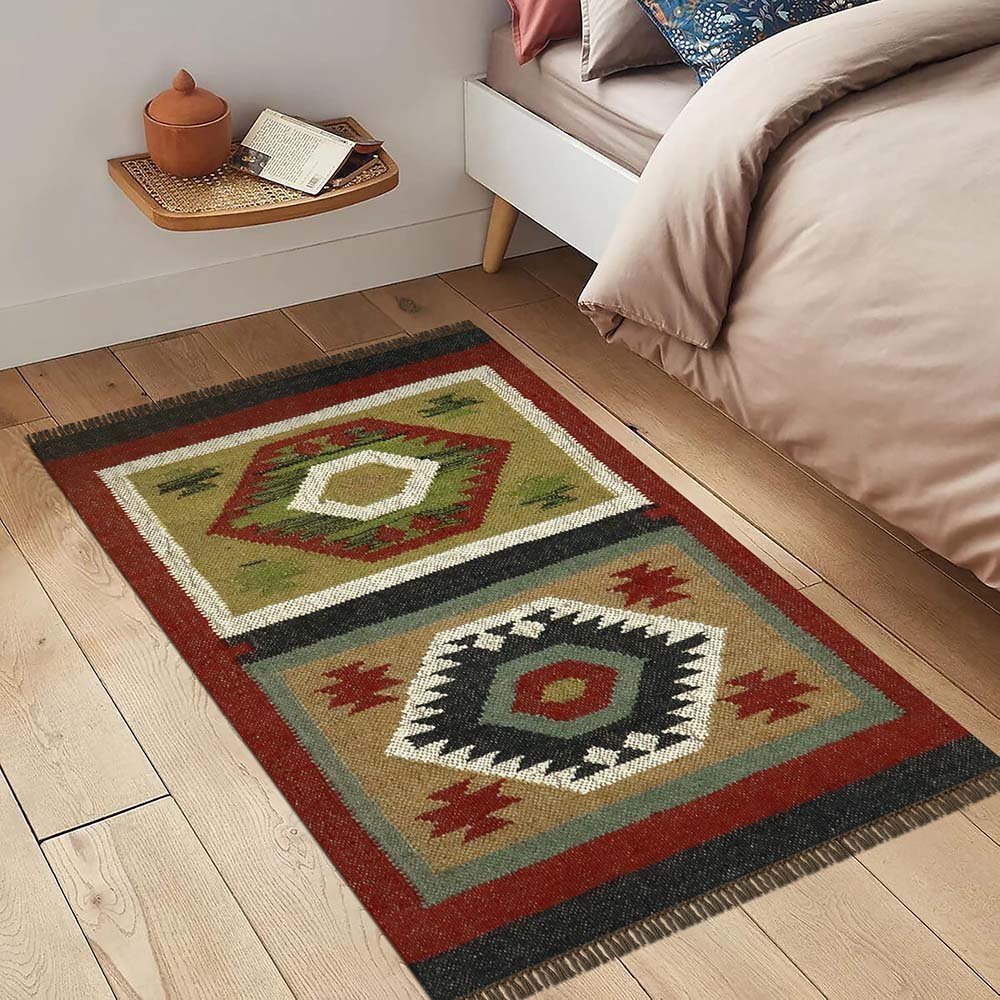
One common pitfall? Choosing a rug for aesthetics alone. I’ve made that mistake myself.
Before settling on a material, think about:
- Foot traffic
- Pets or kids
- Sun exposure
- How much maintenance are you realistically up for
A rug should support your lifestyle, not complicate it.
A Thoughtful Shift Underfoot
What stands out to me isn’t just the popularity of natural materials – it’s the intention behind the choices. American homes are leaning toward rugs that feel honest, tactile, and connected to real materials.
And maybe that’s the real trend here. Not chasing perfection. Just choosing things that feel good to live with, day after day.
If you’re curious, start small. Try one natural rug. Pay attention to how it feels underfoot. You might be surprised how much it changes the room – and your relationship with it.