


Rug Size Tips for Pet-Friendly & High-Traffic Homes
If you share your home with pets – or simply live in a space where people are constantly coming and going – you already know this truth: rugs take a beating. Muddy paws, zoomies down the hallway, kids flopping onto the floor, furniture scooting back and forth. Over the years, I’ve noticed that rug size, more than pattern or even material, often makes or breaks how well a rug holds up in real life.
Choosing the right size isn’t just about aesthetics. It’s about function, safety, and sanity. Let’s break it down.
Why Rug Size Matters More in Busy Homes
In high-traffic spaces, rugs that are too small tend to shift, curl at the edges, and look perpetually out of place. Pets make this worse – one enthusiastic sprint, and suddenly the rug’s halfway across the room.
Larger rugs, especially those aligned with standard rug sizes, anchor furniture and stay put. They distribute wear more evenly, which means fewer obvious “bald spots” over time. That’s something I’ve learned the hard way after replacing one too many undersized rugs.
Understanding Standard Rug Sizes (and Why They Help)
Knowing standard rug sizes that US homes typically use can simplify decisions and reduce guesswork. These sizes are designed to fit common room layouts, making them practical for everyday living.
Common examples include
- 5’ x 8’ for small seating areas
- 8’ x 10’ for medium living rooms
- 9’ x 12’ for open-plan spaces or family rooms
Here’s the thing: when you stick close to standard sizing, it’s easier to place furniture on the rug rather than awkwardly around it. That’s a huge plus in pet-friendly homes where stability matters.
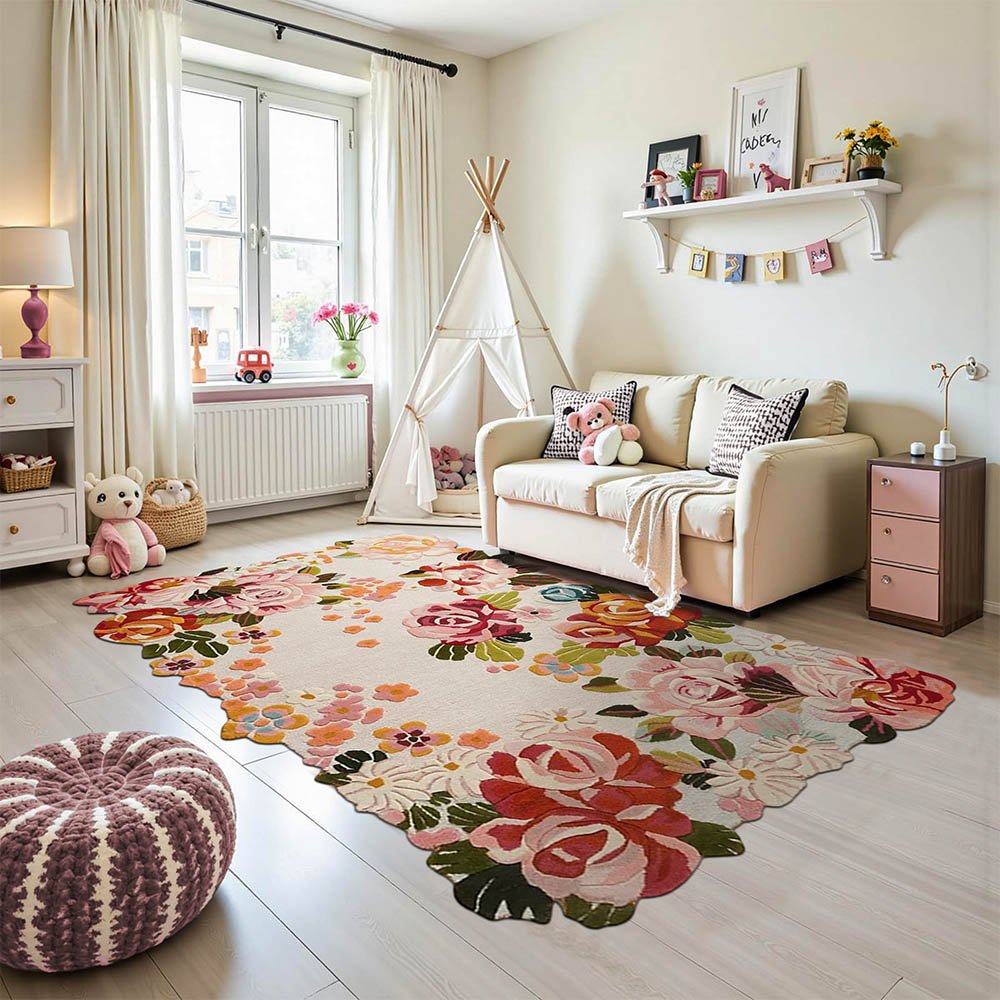
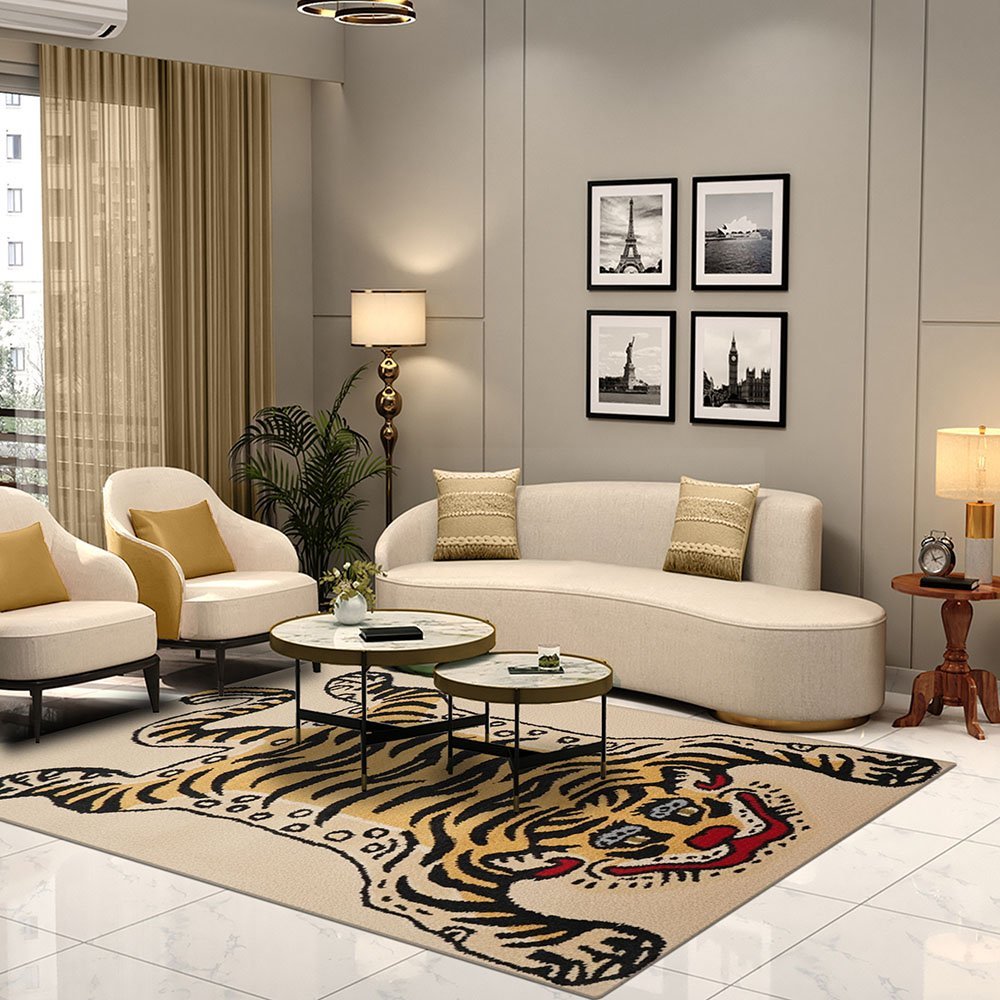
Standard Rug Sizes for Living Room: Go Bigger Than You Think
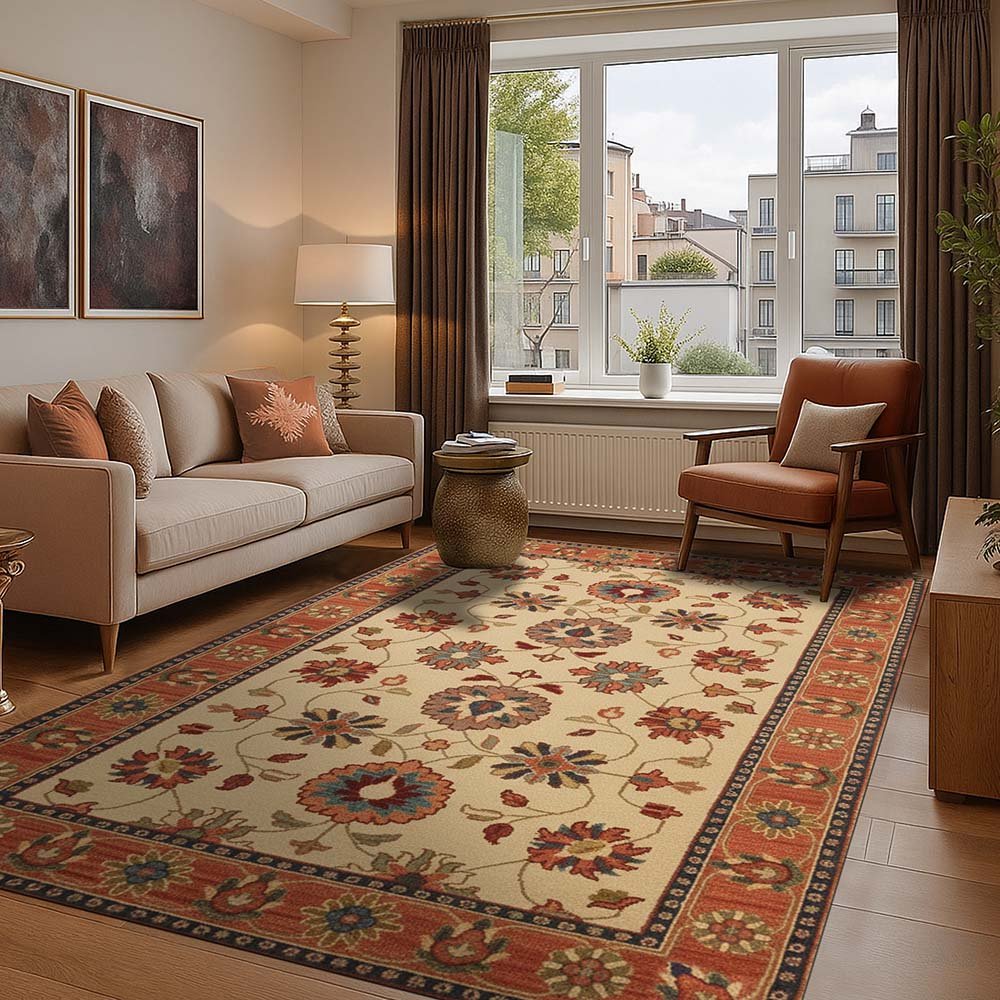
In busy living rooms, I usually recommend sizing up. Standard rug sizes for living room layouts work best when at least the front legs of sofas and chairs sit on the rug.
Why?
- Less edge curling (a common tripping hazard for pets)
- Fewer exposed corners to chew or claw
- A more cohesive, calmer look – even when the room is anything but calm
Materials matter too. A hand-tufted wool rug can be surprisingly resilient here. Wool naturally resists dirt and rebounds well after foot traffic, which helps when the room never truly rests.
Bedroom Rugs: Comfort Without Compromise
Bedrooms might seem low-traffic, but add a pet who sleeps at the foot of the bed, and suddenly they’re not. Standard rug sizes for bedroom spaces usually work best when the rug extends at least 18–24 inches beyond the bed on each side.
This gives you:
- A soft landing for bare feet
- Enough coverage to handle pet movement
- Less shifting when doors open or close
In my experience, smaller rugs at the bedside tend to bunch up fast—especially with curious cats.
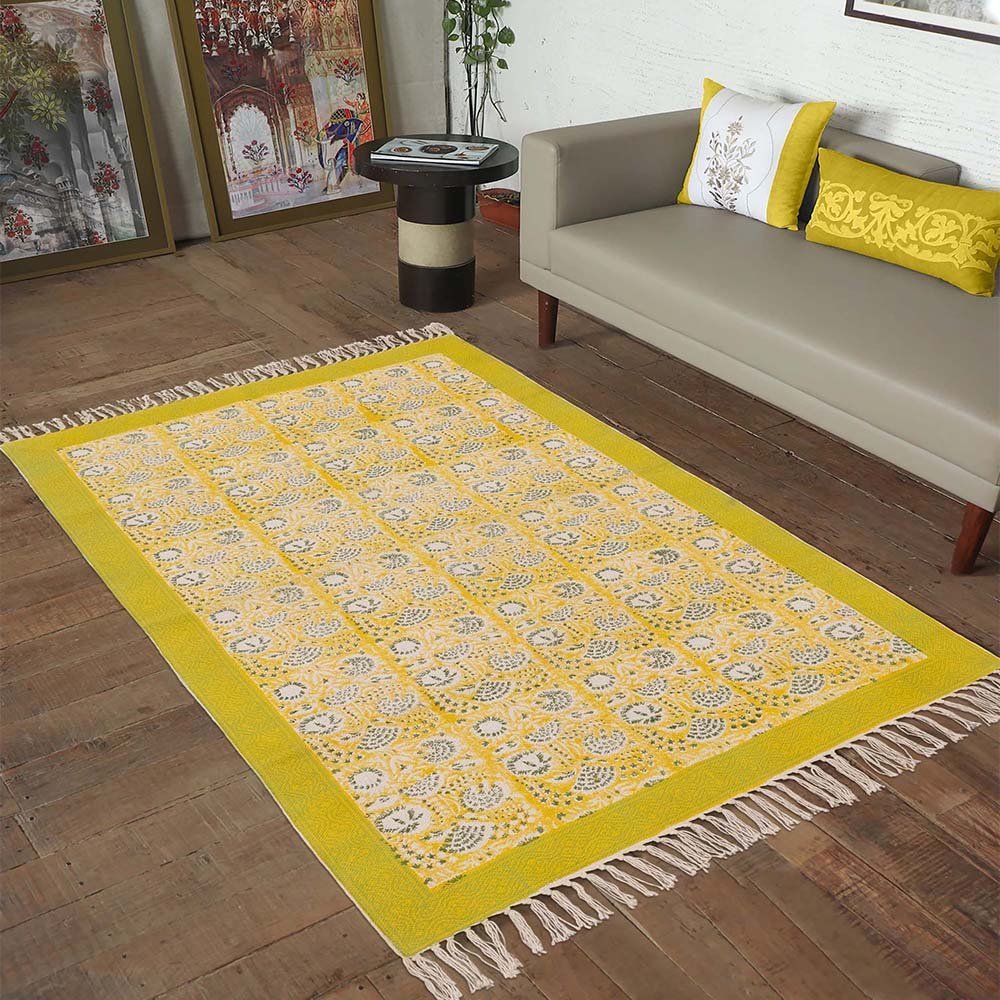
Shape Choices: When to Break the Rectangle Rule
Rectangles are reliable, but they’re not your only option. Irregular shape area rugs can be surprisingly practical in pet zones like reading nooks or under stair landings. Because they’re unexpected, pets seem less inclined to target the edges.
That said, avoid ultra-light materials in odd shapes. A tightly woven jute rug works better than you might expect, especially in entryways, as long as it’s paired with a proper rug pad.
Style Meets Reality (Yes, Even with Bold Designs)
I’ve seen people shy away from statement rugs in busy homes, but bold patterns can actually be forgiving. Designs like Black Skull Rugs, for instance, naturally camouflage pet hair and minor stains better than flat, pale styles. Just be sure the size is generous enough so the pattern doesn’t feel chopped up by furniture placement.
Common Rug Size Mistakes to Avoid
A few pitfalls I see again and again:
- Choosing size based on price, not room scale
- Leaving all furniture off the rug
- Ignoring door clearance and pet pathways
These small missteps add up fast in high-traffic homes.
Final Thoughts
Living with pets doesn’t mean sacrificing a well-put-together space. When you choose the right rug size – especially from proven standard rug sizes – you’re setting your home up for comfort, durability, and a little more peace of mind.
If you’re on the fence, try taping out the rug dimensions on your floor before committing. It’s a simple trick, but it’s saved me from plenty of regret. Sometimes, the best design decisions are the ones you test with real life in mind.